If you are building a new home, re-roofing, or doing a major roof renovation in Sydney, the question of sarking will come up. Your builder or roofer will mention it. Your building certifier may require it. And you will wonder whether it is a genuine benefit or an upsell.
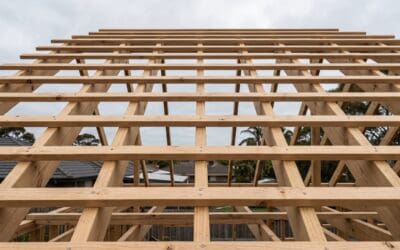
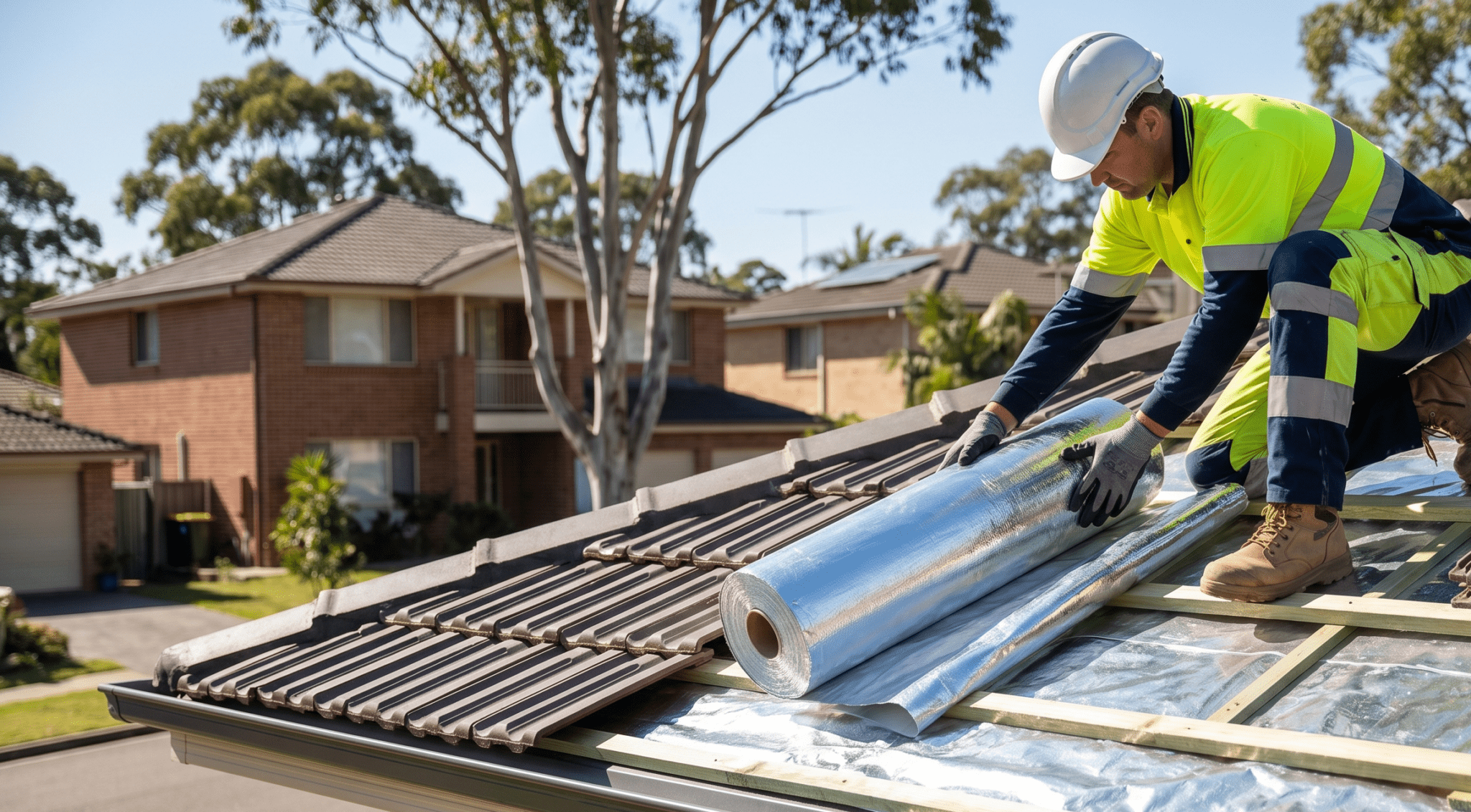
Sarking is a membrane that sits underneath roof tiles, on top of the battens and rafters. It acts as a secondary water barrier, a dust and draught seal, and (depending on the product) a thermal reflector. It has been used on Australian homes for decades, but opinions on its value vary depending on who you ask.
This article looks at what sarking actually does in Sydney’s climate, when it is required by code, and whether the cost is justified for homeowners who have the choice.
What Sarking Does
Sarking serves three main functions under a tiled roof.
The first is water management. Roof tiles are the primary barrier against rain, but they are not watertight in every condition. Wind driven rain can push water sideways and upward under tile overlaps. Condensation can form on the underside of tiles during temperature shifts. Cracked or displaced tiles can let water through. Sarking catches any water that gets past the tiles and directs it down to the gutter line, keeping the roof cavity dry.
The second function is draught and dust control. Without sarking, air moves freely through the gaps between and under tiles. This brings dust, pollutants, and unconditioned air into the roof space. In older homes without sarking, it is common to find a layer of dust on top of the ceiling insulation, which reduces its effectiveness. Sarking seals these gaps and keeps the roof cavity cleaner.
The third function is thermal performance. Reflective sarking products (like Bradford’s Thermoseal) have a foil face that reflects radiant heat. In summer, this reduces the amount of heat that radiates from the underside of the tiles into the roof cavity. In winter, it helps retain warmth by reducing heat loss upward through the ceiling.
When Sarking Is Required by Code
The Building Code of Australia (BCA) and the National Construction Code (NCC) set out when sarking is mandatory. The requirements vary by climate zone and building design.
In climate zones that apply to Sydney (Zone 5 and parts of Zone 6), sarking is required in certain situations. The main triggers are: metal roofing (sarking is almost always required under metal roofs), roof designs with low pitches where wind driven rain is a higher risk, and buildings where the energy efficiency provisions of the NCC cannot be met without reflective sarking contributing to the thermal envelope.
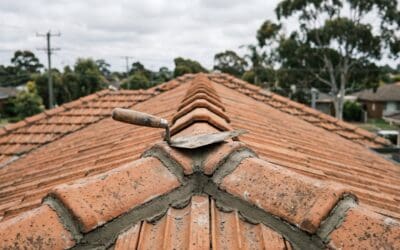
For tiled roofs in Sydney, sarking is not always mandatory under the NCC. However, many builders include it as standard practice because it provides a margin of safety against water ingress and contributes to the home’s energy rating. Some council areas and private certifiers also require it regardless of the NCC provisions.
If your builder tells you sarking is required, ask which specific code provision or council requirement applies. If it is genuinely required, there is no decision to make. If it is recommended but optional, then the cost benefit analysis below will help.
The Cost of Sarking
The cost of installing sarking under a tiled roof on a new build is relatively modest compared to the total roofing cost. Material and labour for sarking typically adds between $1,500 and $4,000 to the roof cost on a standard sized Sydney home, depending on the product chosen, the complexity of the roof, and the installer’s rates.
Reflective sarking (with a foil face for thermal performance) costs more than non reflective vapour permeable sarking. The price difference per square metre is small, but it adds up across a full roof.
For a re-roof where the tiles are being stripped and replaced, adding sarking during the process is cost effective because the labour to access the roof structure is already being done. Adding sarking to an existing roof without stripping the tiles is impractical and rarely done.
The Benefits in Sydney’s Climate
Sydney’s climate gives sarking several specific advantages.
Summer heat is the most obvious one. Sydney experiences extended periods of high temperatures, with roof surface temperatures often exceeding 60 to 70 degrees Celsius on dark tiles in direct sun. Without sarking, that heat radiates directly into the roof cavity and loads the ceiling insulation. With reflective sarking, a meaningful portion of that radiant heat is reflected back before it reaches the insulation. This can reduce cooling costs during summer, though the exact savings depend on insulation levels, ceiling sealing, and the home’s orientation.
Storm rain is another advantage. Sydney receives intense rainfall events where wind driven rain can penetrate tile overlaps. Homes without sarking are more vulnerable during these events, especially on exposed elevations facing the prevailing weather (typically the south and east in Sydney). Sarking provides a backup layer that catches water that gets past the tiles.
Condensation is a less obvious but real issue. In winter, when the roof is cold and the interior of the home is heated, moisture from inside the house can migrate upward and condense on cold surfaces in the roof cavity. Vapour permeable sarking allows this moisture to escape while still blocking liquid water from above. Non permeable sarking (like basic foil) can trap moisture in the cavity, which is why product selection matters.
The Arguments Against
Not everyone agrees that sarking is worth the cost on a tiled roof in Sydney. The main counterarguments are worth considering.
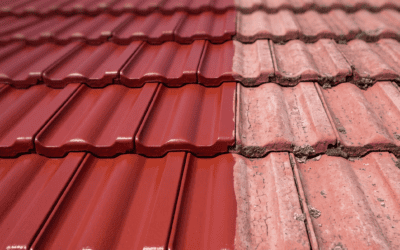
Tiles are already a good water barrier. A properly installed tiled roof with correct overlaps, sound pointing, and intact flashings sheds the vast majority of rainfall without any water reaching the cavity. Sarking is only relevant for the small percentage of water that gets past the primary barrier. If the tiles and flashings are well maintained, that percentage is very low.
The thermal benefit is incremental. Ceiling insulation (batts or blown in) is the primary thermal barrier in a home. Reflective sarking adds to the thermal performance, but it does not replace insulation. For homes that already have good ceiling insulation (R4.0 or higher), the additional benefit of reflective sarking is marginal. The money might deliver better energy savings if spent on upgrading insulation instead.
Older homes managed without it. Millions of homes across Sydney were built without sarking and have performed adequately for decades. Many of these homes have no water issues and acceptable thermal performance. The argument that sarking is always needed does not hold up against the evidence of existing housing stock.
The Honest Assessment
Sarking is a worthwhile investment in two clear scenarios.
The first is new construction, where the incremental cost of adding sarking is low relative to the total build cost, and it provides lasting benefits for water management, dust control, and thermal performance. On a new build, there is little reason not to include it.
The second is a full re-roof, where the tiles are being stripped back to the battens and the structure is exposed. Adding sarking during a re-roof is a one time opportunity. Once the new tiles go on, the chance to add sarking is gone without another strip.
For homeowners with an existing tiled roof that is performing well and has no water issues, retrofitting sarking is not practical or cost effective. The money is better spent on maintaining the tiles, pointing, and flashings that form the primary water barrier.
What to Choose
If you are installing sarking, choose a product that suits your needs.
For maximum thermal performance, use a reflective sarking product like Bradford’s Thermoseal Roof Sarking. The reflective face reduces radiant heat gain in summer.
For moisture management in areas prone to condensation, choose a vapour permeable sarking that allows moisture to pass through while blocking liquid water. This is particularly relevant for homes with higher internal humidity (bathrooms, laundries, kitchens).
Make sure the sarking is installed correctly with overlaps taped and sealed, no tears or punctures, and proper drainage path to the gutter. Poorly installed sarking can trap water instead of shedding it, which creates worse problems than having no sarking at all.
Get the Right Materials
Roof Tile Recyclers stocks sarking products alongside a full range of battens, sarking tape, and roofing accessories. Whether you are building new or re-roofing, we can supply the materials you need with delivery across Sydney and NSW.
Contact us for product advice or to place an order.