Matching roof tiles for a home extension in Sydney requires three confirmed details before any sourcing begins: the tile profile, the manufacturer, and the colour generation of the existing roof. Sydney councils, particularly in heritage conservation areas across the North Shore, Inner West, and Eastern Suburbs, mandate that extension roof tiles match the existing dwelling in material, profile, and colour.
Roof Tile Recyclers stocks over 150,000 recycled and new roof tiles at our Prospect warehouse, covering Monier, Bristile, and Lutum profiles, specifically to support homeowners and builders working through this matching process in NSW.
Why Tile Matching for a Home Extension Is More Specific Than General Tile Replacement
A home extension creates a permanent visible join between the new roof section and the existing one. Any mismatch in profile shape, cover width, or colour generation becomes a fixed feature of the property, visible from the street and flagged during council inspection.
The two failure points most homeowners encounter:
Failure 1: Profile incompatibility
Tiles that appear visually similar often carry different underside geometry, nib position, watercourse depth, and interlock shape. Two tiles from the same manufacturer but different production decades can differ by several millimetres in cover width. That tolerance gap compounds across an entire roof slope, causing misalignment, poor water drainage, and persistent leak points along the tile-to-tile joint.
Failure 2: Profile incompatibility
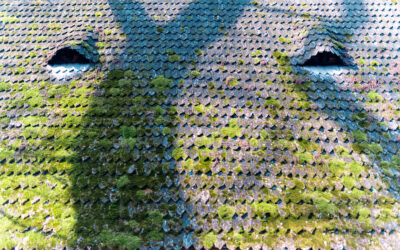
Concrete tiles fade under UV exposure over a 5–15 year period. A new concrete tile placed on a roof laid in 2005 will read as a visible colour block against the weathered field, even if the profile is identical. Terracotta holds its fired colour permanently but develops surface lichen and tonal depth over decades that new stock cannot replicate.
Both problems are solved through the same sourcing path: correctly identified recycled tiles from the same manufacturing era as the original roof.
How to Identify Your Existing Roof Tile Profile
Identifying the correct profile is the first step; submitting incorrect specifications to a supplier results in stock that cannot be installed.
Step 1: Check the Tile Underside for the Manufacturer Stamp
Access a loose tile or enter the roof cavity and examine a tile from the underside. Monier, Bristile, Wunderlich, Boral, and Pioneer all embossed manufacturer names and profile names directly into the tile during production. This stamp confirms the brand and, in most cases, the product line.
Step 2: Measure the Flat Section
Measure from edge to edge, top to bottom, across the flat body of the tile. Exclude the watercourse, the drainage channel that runs along the tile surface, and exclude any ridge or overlap sections. Flat-section dimensions are the reference point suppliers use to confirm profile compatibility.
A practical reference: Bristile Marseille measures 466 mm long by 260 mm wide and weighs 3.6 kg per tile, with a headlap range of 75–110 mm. A tile measuring 430 mm by 260 mm belongs to a different profile and requires a separate identification step before any sourcing begins.
Step 3: Photograph Three Angles
Photograph the tile face, the underside, and the side profile. These three angles confirm contour shape, interlock geometry, and surface finish, the factors that determine correct fitment on the existing batten layout.
Submit photos and measurements through the tile identification service at Roof Tile Recyclers. Profile, manufacturer generation, and colour match are confirmed before any stock recommendation is made.
Why Recycled Tiles Produce a Better Colour Match Than New Stock
New tiles ordered from current Monier or Bristile production lines carry factory-fresh pigment and surface coating. On a roof laid 15–20 years ago, that colour difference is visible from ground level, particularly on concrete tile roofs where UV fading has progressed across the existing field.
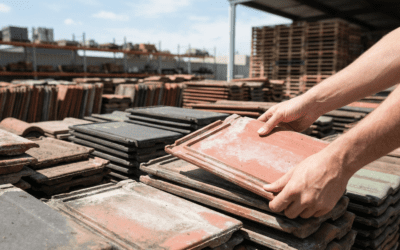
A recycled tile sourced from a demolition or re-roofing job from the same production era as your existing roof has already passed through the same UV exposure cycle. The tonal depth, surface texture, and coating state match the aged tiles already on your roof in a way that new stock cannot replicate.
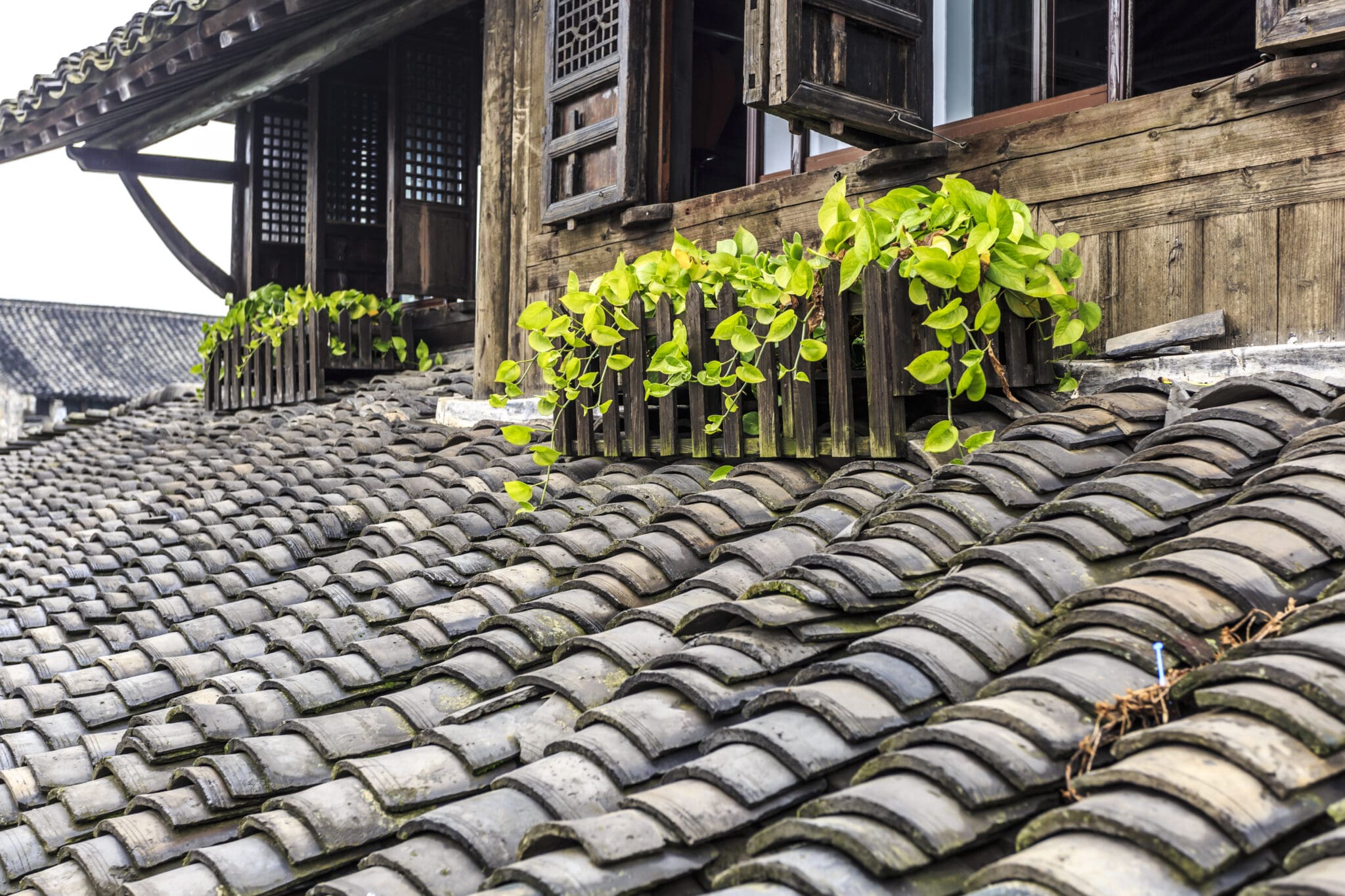
For terracotta roofs, common across Sydney’s Federation and interwar-era suburbs, including Hunters Hill, Balmain, and Willoughby, the matching requirement is more precise. Terracotta colour is permanent but develops surface character over decades that fired-new tiles do not carry. Recycled terracotta from the same manufacturing period produces a join line that reads as part of the existing roof rather than a visible repair.
Roof Tile Recyclers sorts recycled stock by tile type, manufacturer, and colour batch. Current Bristile Terracotta profiles, including Marseille and Curvado, are held in both new and recycled condition. Monier Terracotta profiles, including Nouveau and Urban Shingle, are stocked for current and heritage applications.
Sourcing Matching Tiles in Sydney: Current Production vs Recycled Stock
Current Production Profiles
If the damaged or extended section requires tiles from a profile still manufactured by Monier or Bristile, new stock can be ordered directly through Roof Tile Recyclers. Current Monier Concrete profiles, Elabana, Atura, Horizon, Cambridge, and Madison, are stocked alongside Bristile Concrete profiles, including Designer, Classic, and Prestige ranges.
Concrete tile costs for extension work range from $40–$60 per m² for concrete profiles and $80–$110 per m² for terracotta, depending on profile and quantity.
Discontinued Profiles
Sydney homes built before 2000 frequently carry profiles no longer held in current production, Monier Windsor, Macquarie, Bolero, and older Bristile Horizon and Lodge series. These tiles remain on thousands of roofs across Western Sydney, the Hills District, and inner suburbs. When an extension requires matching these profiles, standard roofing suppliers hold no available stock.
Roof Tile Recyclers maintains 150,000 to 200,000 tiles in stock at any point, covering profiles discontinued by major manufacturers in the mid-2000s. For a confirmed list of discontinued profiles currently held in recycled inventory, refer to the discontinued roof tiles options page.
What to Do When No Exact Profile Match Exists
When recycled stock holds a close but not identical match to an existing profile, experienced roofers use a tile rotation approach to manage the visible outcome.
The Tile Rotation Approach
Intact original tiles from a low-visibility area of the existing roof, a rear lower roofline, a garage section, or a side elevation are relocated to the new extension where the match line is most visible. Recycled tiles that closely match the original profile replace the tiles moved from the low-visibility zone.
This approach works because the relocated tiles come from the same roof, the same manufacturing batch, and the same UV exposure history as the field tiles adjoining the extension. The visible join carries no mismatch. The less visible rear section holds the close-match recycled stock, where tonal variation is undetectable from street level.
For profile compatibility questions before committing to this approach, can you mix different roof tiles post covers, interlock tolerance, watercourse alignment, and the specific risk points in mixing tiles from different manufacturers or production eras?
Sydney Council Requirements for Tile Matching on Extensions
Development Applications and Complying Development Certificates
Home extensions that alter the roofline require either a Development Application (DA) or a Complying Development Certificate (CDC) in most Sydney local government areas. Minor repairs and like-for-like tile replacements typically do not require approval. Extensions that change the pitch, add a new roof plane, or increase the building envelope fall under DA or CDC assessment.
Sydney councils in heritage conservation areas impose stricter material requirements. Crows Nest, Newtown, Leichhardt, Hunters Hill, and Willoughby councils have active Development Control Plans specifying that extension roof materials match the existing dwelling in profile, colour, and material type.
Monier’s Terracotta Nouveau in ‘Earth’ is a confirmed council-compliant match for Federation-era homes on Sydney’s lower North Shore, a profile Roof Tile Recyclers stocks in both new and recycled condition.
Bushfire Attack Level (BAL) Compliance
Extensions in bushfire-prone zones, including properties near the Blue Mountains and Northern Beaches, require tiles rated for the applicable BAL zone. Monier Concrete tiles are non-combustible and rated for BAL-40.
Bristile Terracotta tiles are non-combustible and certified under BAL standards for high-risk zones. Confirm the BAL rating applicable to the property address before specifying tile profiles for an extension in these areas.
Quantity Calculation and Tile Reserve
Order 10–15% more tiles than the calculated extension area requires. The overage covers cutting waste on hip and valley lines, breakage during installation, and a matching reserve for future spot repairs on the same roof.
This reserve matters most for discontinued profiles. Once a tile is sourced from recycled stock and the extension is complete, future availability of the same profile in the same colour batch cannot be guaranteed. A stored reserve from the same sourcing run eliminates the identification and matching process if a tile cracks or shifts in subsequent years.
Roof Tile Recyclers supplies matching roof tiles for home extensions across NSW, from profile identification through to same-day supply at our Prospect warehouse. Contact our team on (02) 9756 3350 or submit your tile details online for a confirmed stock response within 24 hours.
Frequently Asked Questions
Do roof tiles have to match on a home extension in Sydney?
In most Sydney LGA areas, council DAs and CDCs require that extension roof materials match the existing dwelling in profile and material. Heritage conservation zones enforce this requirement strictly. Confirm the specific rule with your local council’s Development Control Plan before specifying materials.
How do I identify which Monier or Bristile profile I have?
Check the tile underside for the manufacturer stamp, measure the flat-section dimensions excluding the watercourse, and photograph the face, back, and side profile. Submit these details through the Roof Tile Recyclers tile identification service for a confirmed profile match within 24 hours.
Why do recycled tiles match better than new tiles on an older roof?
Recycled tiles from the same production era have passed through the same UV exposure and tonal ageing cycle as the existing roof. New tiles carry factory-fresh pigment that reads as visibly lighter against weathered concrete or aged terracotta, creating a colour block at the join line.
What if my tile profile is discontinued?
Roof Tile Recyclers holds recycled stock across profiles no longer manufactured by Monier, Bristile, and Wunderlich. Submit profile details through the discontinued roof tiles options page for a stock confirmation. If an exact match cannot be confirmed, the tile rotation approach manages the visible outcome without compromising the extension join.
How many extra tiles should I order for an extension?
Order 10–15% above the calculated quantity. The overage covers installation breakage, cutting waste on complex roof shapes, and a reserve for future repairs using the same matched profile.